Lead
Lead is a toxic metal that can be found in all parts of our environment – the air, soil, water, food and older buildings. It gets there from things people used in the past and some things we still use today.
You can be exposed to lead without knowing it. Exposure means lead gets into the body, usually when you breathe it in or swallow it.
Any level of exposure to lead can cause serious health problems. Lead can especially hurt kids and those who are pregnant or breastfeeding.
- Children aged 6 and under are at greatest risk. Their brains and bodies are still developing. They are also more likely to put dirty hands and objects in their mouths. Lead can affect a child’s learning, behavior and growth.
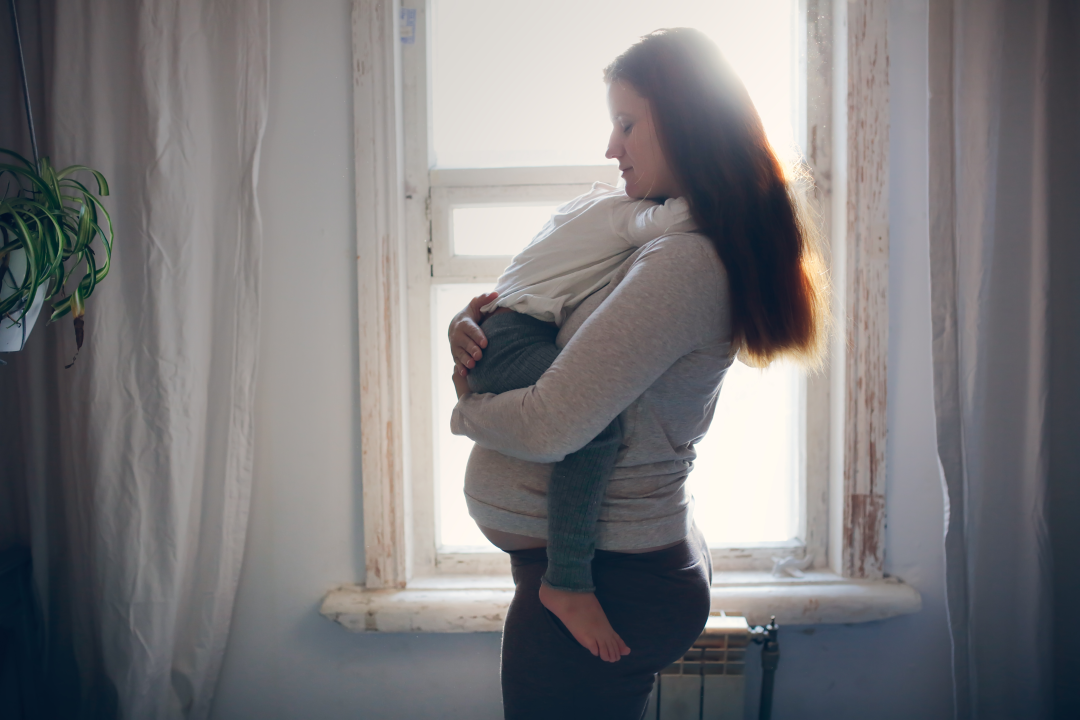
- Pregnant people can pass lead to their developing fetus during pregnancy. It can also pass to infants during breastfeeding. Lead can cause the baby to be born too early or too small.
Prevent lead exposure
Lead poisoning is preventable. The key is stopping children from coming into contact with lead before any harm occurs. Lead may be found in:
- Homes older than 1978. Most homes built before 1950 have lead-based paint in them.
- Windowsills or toys, pacifiers, and other objects children may put in their mouth.
- Bare soil, particularly within three feet of the foundation of a house built before 1978.
- Soil near buried car battery chips and parts.
- Water from lead pipes, plumbing with lead solder, or brass fixtures.
- Some consumer products such as fishing tackle, jewelry, toys, cosmetics and home remedies.
Safely dispose of items and materials containing lead at the Recycling Zone.
Testing for lead
There is no safe amount of lead in a child’s blood.
Check with your health care provider if you think your child is at risk for lead exposure. A simple blood test, called a blood lead level (or BLL), can determine whether your child has been exposed to lead.
Dakota County Public Health has a lead screening event every year. You can bring soil from your yard and various household items to be screened for lead. Results are provided during the event along with important information on reducing exposures.
The event is typically held during the summer months. Watch for the county to announce the next date in the Public Health e-newsletter and on the county’s social media platforms.
Lead case management
Dakota County Public Health works with the state to respond to cases of lead poisoning in children and pregnant people. Public health nurses visit families at home and provide educational materials. Our environmental health team looks for the source of the lead and provides instruction on how to get rid of it.
The goal is to make sure families, and their homes, are safe from lead.
Learn more
Learn more about lead on the Minnesota Department of Health's Lead webpage and the U.S. Environmental Protection Agency's Learn About Lead webpage.