Education Requirements
Recycling and organics education is required for all properties, schools and government buildings. Dakota County adopted standardized education to help reduce confusion and contamination. Education requirements are outlined in County Ordinance 110 Solid Waste Management.
Free educational resources
Dakota County has free educational resources to help educate your staff, contractors, students and more.
Use the language provided in each section. The images are optional but recommended.
Recycling education requirements
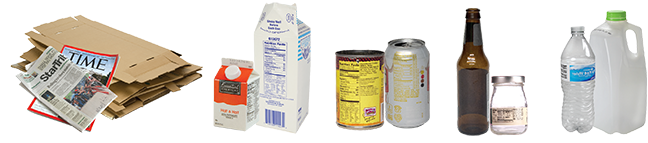
Put these items in the recycling:
Paper
- Newspaper and inserts
- Magazines and catalogs
- Mail and office papers
Cardboard
- Corrugated cardboard
- Paperboard (e.g., cracker boxes)
Cartons
- Milk and juice cartons
- Soup, broth, and wine cartons
- Juice boxes
Metal cans
- Aluminum, tin, and steel cans
Glass bottles and jars
Plastic bottles, containers and jugs
- Containers numbered 1, 2 or 5
- Soda, juice and water bottles
- Milk and juice jugs
- Margarine, cottage cheese, cream cheese and other tubs and lids
- Laundry detergent bottles and jugs
- Clear berry and produce containers
Keep these items out of the recycling:
- Batteries
- Food and liquids
- Paper cups, plates and napkins
- Plastic bags and wrap
- Shredded paper
- Styrofoam
- Tanglers (chains, cords, hoses, string lights)
- Trash
Follow these rules to ensure recycling gets recycled right:
- Bottles, jars and containers are empty and dry.
- Leave caps on containers.
- Flatten boxes.
Place only recyclables into recycling carts and dumpsters:
- Keep recycling loose (not bagged) when putting them into carts or dumpsters for pickup.
- Do not place plastic bags in the recycling.
- Empty recyclables out of the plastic bags directly into the designated recycling cart or dumpster.
- Place plastic bags in the trash.
Properly maintain containers:
- Keep a recycling container next to each trash container.
- Empty containers enough to prevent overflowing.
- Label each recycling label according to the county's requirements.
Organics education requirements
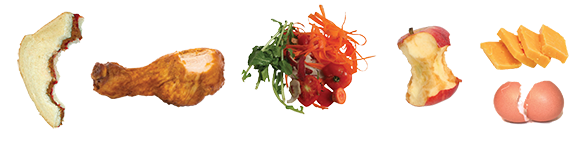
Collect all food scraps, including:
- Bakery and dry goods
- Coffee grounds
- Dairy products
- Eggs and eggshells
- Meat, fish and bones
- Fruits and vegetables
Keep these items OUT of the organics container
- Cartons
- Refrigerator and freezer boxes
- Plastic items
- Diapers
- Recyclables (glass, paper, metal)
- Trash
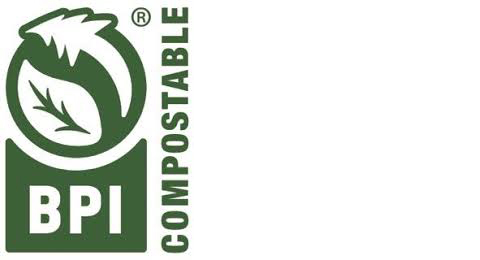
Use Biodegradable Products Institute (BPI) certified compostable bags.
- Use BPI-certified compostable bags to line organics containers.
- Look for the BPI logo on each product or on the box they came in to ensure they are certified as compostable bags.
Place tied bags in organics cart or dumpster.
- Tightly tie off BPI-certified compostable bags with organics before placing them in the cart or dumpster for pickup.
Properly maintain organics containers.
- Ensure that each container has a visible label that meets county labeling requirements.